
We Buy Houses Fast in Dallas-Fort Worth

If you are wondering whether selling to a cash buyer in Dallas is the right move, the answer depends on your timeline, property condition, and tolerance for repairs, showings, and financing delays. This guide explains the pros and cons of cash buyers, how they compare to listing with an agent, and when a direct sale makes the most sense for homeowners in Dallas County and nearby North Texas markets.

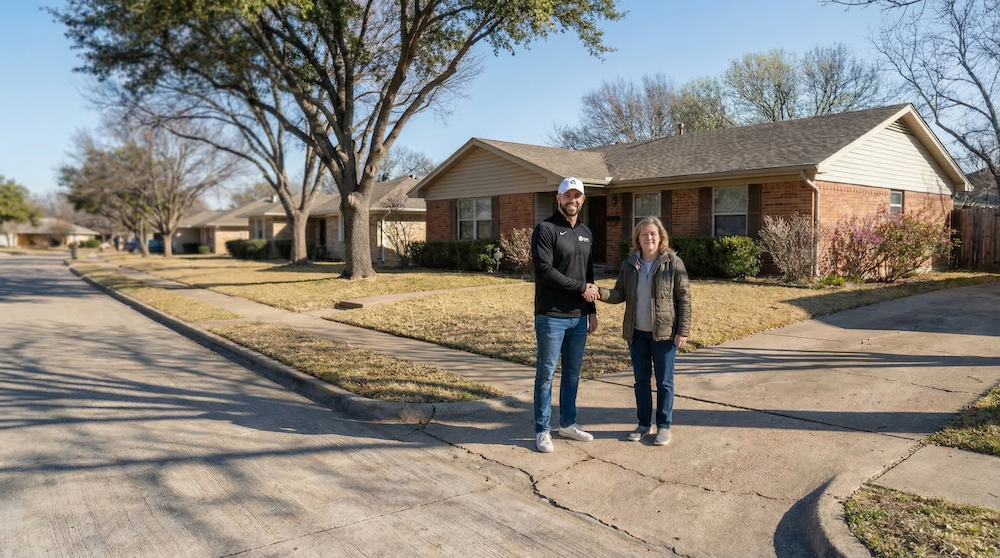
If you are asking, should I sell to a cash buyer Dallas homeowners trust, you are probably weighing speed against price, convenience against exposure, and certainty against the traditional listing process. That is a smart question.
For some sellers, a cash buyer is the fastest and least stressful path. For others, listing with a real estate agent may produce a higher sale price if the home is in strong condition and there is time to wait. The right decision depends on your situation, not a one-size-fits-all rule.In Dallas, homeowners often consider cash buyers when they are dealing with inherited property, repairs, code issues, behind payments, tenant problems, divorce, relocation, or a house that simply is not showing well enough to justify the time and expense of listing. If you own a property in Lake Highlands, Oak Cliff, North Dallas, or anywhere else across Dallas County, Collin County, Denton County, or Tarrant County, the same basic principles apply.
This guide will help you compare your options clearly so you can make the best decision for your timeline and your equity.
A cash buyer is typically an individual investor or company that buys homes directly without relying on a traditional mortgage lender for financing. In practical terms, that usually means:
That does not mean every cash buyer is the same. Some are experienced local buyers who purchase homes as is and close on schedule. Others may put a property under contract and try to assign it. Some are transparent. Some are not.
That is why the better question is not only, should I sell to a cash buyer Dallas owners work with, but also, how do I evaluate a cash buyer properly?
If time matters more than maximizing every last dollar, a cash sale can be a strong option. Many direct buyers can close in days instead of weeks. That can matter if you are facing foreclosure, catching up on mortgage payments, relocating for work, or trying to settle an estate quickly.In a traditional listing, even after you accept an offer, you may still wait through financing, inspections, an option period, appraisal, and lender conditions. A cash sale can remove many of those delays.If speed is the priority, you may want to get a same-day cash offer and compare it against what a listing might realistically net after time and carrying costs.
A home with foundation issues, water damage, fire damage, outdated interiors, or deferred maintenance can be harder to finance and harder to show well. In Dallas, many sellers discover that the cost to prepare a house for market is more than they expected.That can include:
A cash buyer may purchase the property as is, which can save you money and hassle upfront. If your property would struggle to pass buyer inspection expectations, a direct sale may be worth serious consideration.
One of the biggest frustrations for sellers is accepting an offer that later falls apart. Retail buyers may back out during the option period, renegotiate after inspection, or run into financing issues before closing.
With a qualified cash buyer, the transaction is often simpler. You still need to review the contract carefully, but the risk of lender-related problems is lower.For sellers who value predictability, that matters.
Some home sales happen under pressure. Probate, divorce, inherited property, job transfer, tax problems, and landlord burnout can make a traditional listing feel overwhelming.In those cases, convenience has real value. Selling directly can reduce the number of moving parts and shorten the timeline.
If that sounds like your situation, you can request a 24 hour property evaluation and decide from there whether a direct sale or a listing is the better fit.
A cash offer is not automatically the best option for every seller.
If the property is updated, clean, vacant or easy to show, and located in a high-demand area, listing may create more competition and potentially a higher sales price.
Homes near strong school zones, commuter routes like North Central Expressway or the Dallas North Tollway, or established neighborhoods such as Lake Highlands often attract solid retail demand when they are marketed well.
If you are not under pressure and can manage showings, repairs, and negotiation, listing could lead to a better gross number. That said, gross sale price is not the same as net proceeds.
You should compare:
A higher list price does not always mean more money in your pocket.
A retail listing allows your property to be marketed broadly through the MLS, online portals, signage, and agent networks. If the house shows well, that exposure may attract multiple buyers and stronger terms.
That strategy is often best when the home is move-in ready and you are comfortable with uncertainty in exchange for potential upside.
This is where many homeowners get stuck. They are really deciding between a direct investor sale and a traditional listing.
Here is the honest comparison.
Pros:
Cons:
Pros:
Cons:
The key is to compare net outcome, not just the headline number.
If you are leaning toward a direct sale, ask these questions first:

A serious buyer should be able to explain the timeline clearly and connect you with the title company handling closing.
Make sure the buyer is clear about whether they expect repairs, credits, or cleanout before closing.
Some direct buyers cover standard closing costs, while others may structure the deal differently. Ask for a clear breakdown.
A legitimate cash buyer should be able to provide proof of funds.
Review the contract carefully. If you do not understand the terms, ask questions before signing. Pay close attention to inspection rights, closing date flexibility, and whether the buyer can back out easily.
Texas sellers often need to think about seller disclosure requirements, though there can be exceptions depending on the type of sale. The Texas Property Code is a good reference point, and your title company or legal advisor can clarify what applies to your situation.
When people compare a cash offer with listing, they often focus only on sale price. That misses the bigger picture.
Here are costs that matter:
Every extra month you own the home may mean:
Before listing, sellers may pay for:
Depending on the sale structure, you may also face:
In some traditional sales, earnest money and the option period become part of the negotiation process. A financed buyer may use the option period to renegotiate after inspections. A direct buyer can sometimes simplify that process.

A simple way to decide is to ask yourself these five questions:
If the answer is within days or a couple of weeks, a cash buyer may be the better fit.
If the property needs major work, a direct sale often becomes more attractive.
Showings, cleaning, repairs, negotiations, and uncertain buyer financing all add friction.
Always compare estimated net proceeds, not just offer price.
For many sellers, especially those handling inherited homes, tenant issues, or life transitions, certainty matters just as much as price.
Not every buyer advertising cash offers is the same. Be cautious if you see:
A reputable local buyer should be transparent, explain the process clearly, and respect your need to compare options.
The Dallas market moves differently depending on neighborhood, condition, and price point. A move-in-ready home near DART access or major roads like 635 or George Bush Turnpike may perform well on the open market. A dated or damaged home in the same area may attract stronger interest from investors than from retail buyers.
County-level factors can matter too. Sellers in Dallas County, Collin County, Denton County, and Tarrant County may face different property tax amounts, municipal requirements, and buyer pools. If the house has title issues, unpaid taxes, liens, or questions around homestead exemption status, those should be addressed early in the process with the title company.
That is another reason many homeowners appreciate direct conversations instead of guessing what the market might tolerate.
If you need speed, want to avoid repairs, or value certainty, the answer may be yes.If your home is updated, easy to show, and you have time to wait for a retail buyer, listing could make more sense.
There is no universal answer. The best move depends on your timeline, your property, and your financial goals.
What matters most is comparing real options side by side.A transparent cash offer should not prevent you from exploring a listing. It should give you another data point. Once you know what a direct buyer would pay and what a traditional listing might realistically net after repairs, commissions, closing costs, and time, you can choose with confidence.
For many sellers, a cash buyer is not about desperation. It is about efficiency.If you are selling an inherited house, facing repairs, managing a difficult rental, relocating, or simply trying to avoid months of uncertainty, a direct sale can be a practical and financially smart solution.If you want a clear, no-pressure comparison, request a 24 hour property evaluation or get a same-day cash offer. You can then weigh that against the agent route and choose what truly works for you.
The right buyer should make the process simpler, not more confusing.
If you’re ready to sell your DFW home without the headaches of repairs, showings, or fees, Dallas Homes for Cash is here to help.
Get a no-obligation cash offer today and see what your options are before committing to a long listing process.
Call us now at (469) 305-0988 or fill out our quick form — we can evaluate your home today and have your offer ready within 24 hours.

Dallas Homes for Cash helps homeowners in Dallas and nearby areas sell their homes fast for cash. Whether you’re facing foreclosure, relocation, divorce, or just need to sell quickly — we buy houses in any condition. Serving Dallas, Fort Worth, Frisco, Plano, Garland, Mesquite, Grand Prairie, and more.


